Margarita Engle’s Evamar is a beautifully written novel in verse that weaves together first love, family secrets, Cuban history, and the power of preserving ancestral language. Told through lyrical, visually creative poetry, this moving story is both a romance and an exploration of cultural identity.
Evamar has been added to my September 2026 – New Release Spotlight list on Amazon.
Author: Margarita Engle
Genre: novel in verse, romance
Setting: Cuba; summer 2024
Themes: first love, cultural identity, Taíno heritage, ancestral connections, grief, family secrets, language preservation, Indigenous cultures, deportation, undocumented immigrants, poverty, political oppression, hunger, family separation, Cuban history
Protagonists: female, age 17, Cuban American; male, age 18, Cuban and Indigenous, undocumented immigrant to USA
Recommended for: Grades 7–12
Starred Reviews: Booklist, Kirkus, and Publishers Weekly
Publication Date: September 8, 2026

WHAT IT’S ABOUT
Seventeen-year-old Evamar travels from New Jersey to Cuba with her older brother, Cedro, to fulfill their grandmother’s very unusual (and specific!) final wishes. Evamar must bring Abuela’s ashes to a garden filled with sunflowers, plant seeds there, and only then read the diaries her grandmother left behind.
Evamar arrives carrying plenty of warnings from her mother: avoid political conversations, boil the water, and—most importantly—do not fall in love.
That last warning becomes difficult to follow when Evamar meets Río, an 18-year-old Cuban drummer hired as one of her group’s guides. Río grew up in Florida but was deported to Cuba at 16 after being falsely accused of drug smuggling. Now separated from his family and struggling with poverty, Río longs to return to the United States.
As Evamar and Río grow closer, they uncover secrets within Abuela’s journals—including an extraordinary record of the disappearing Taíno language. Their discovery connects them to their Indigenous ancestors and may offer a way to preserve knowledge that could otherwise be lost.
A LOVE STORY ROOTED IN LANGUAGE AND HISTORY
Engle alternates between Evamar’s and Río’s perspectives, blending English, Spanish, and Taíno words throughout the verse. Shape poems, calligrams, and other visual elements add variety while making this relatively quick read especially engaging.
The romance is tender and hopeful, but Evamar also addresses difficult realities in contemporary Cuba, including hunger, power outages, political oppression, deportation, and family separation. These larger forces make Evamar and Río’s uncertain future together feel especially poignant.
PERFECT FOR VERSE-NOVEL READERS
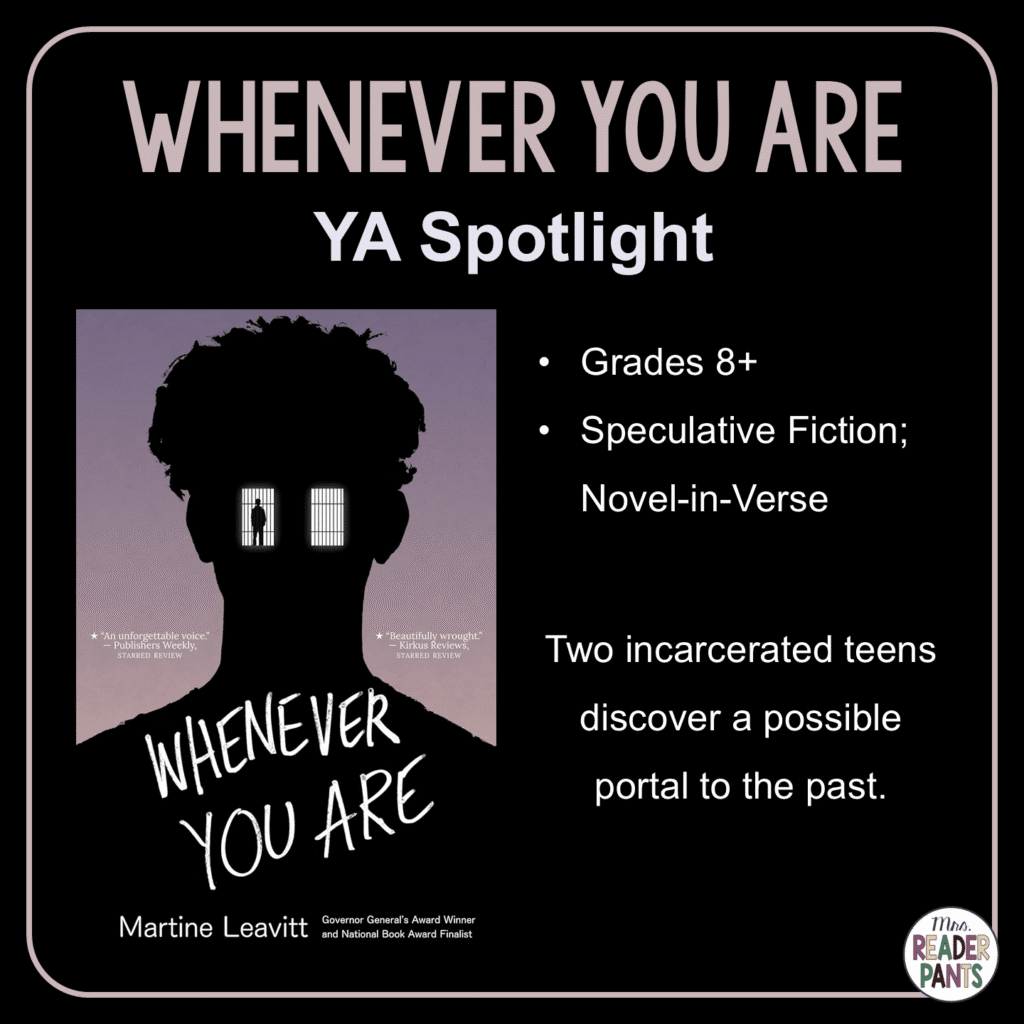
With three starred reviews, Evamar is an excellent choice for readers who enjoy novels in verse, historical and cultural mysteries, first-love stories, and books about uncovering family history.
The inclusion of a poet’s note and selected references also makes this a strong addition to school and public library collections seeking more Cuban and Indigenous representation.
MORE YA NOVELS IN VERSE